Jessica Gerdel
Menu
If you’ve been around Tango Argentino for a while, you’ve probably heard about Milonga codes whispered with a mix of respect, fear, and sometimes even confusion or mystery.
Newcomers are often told:
“Be careful, milongas have rules”
And, suddenly, what should feel like a fun dance night out starts sounding like an exam you didn’t study for.
Milongas have always been the space for encounter and sharing the passion for dancing Tango Argentino.
Let’s clear up those feelings about the tango and milonga codes, and get you ready to enjoy the experience!
Milonga codes are not a strict rulebook.
They are collective agreements that developed over time (and keep evolving) to make Tango Argentino social dance possible and enjoyable, especially in crowded floors.
Think of them less as “rules you must follow” and more as:
Tools to create flow.
Ways to communicate without words.
A shared language that helps strangers dance together smoothly.
At their best, they make the experience better for everyone.
When misunderstood, they can feel rigid, exclusionary or intimidating.
Let’s start with the classics, and demystify them a bit 😉
1. The invitation: Mirada & Cabeceo
I’ll confess to you that the first time I heard of “Mirada” (with that name) was in Europe.
In Buenos Aires, “Cabeceo” serves to name the entire process of a dancer scanning the room, making (and maintaining) eye contact with someone to signal they’re available and interested in dancing together, and a subtle head nod to invite and respond, which “signs the contract” of dancing that Tanda (a set of songs) together.
Why to use Cabeceo?
🤫 Discretion and freedom
It avoids putting someone on the spot and allows a silent “yes” or “no” without awkwardness.
Can you still invite with words?
The modern take is yes, especially with people you’re already familiar with.
What matters is clarity, respect, and being ready to receive a no without taking it personal.
No pressure. No insistence. No guilt.
A “no” (spoken or unspoken) is always valid, and often doesn’t even has to do with you. Someone can simply not be in the mood to dance in that particular moment, for an infinite number of reasons or none specific at all. So don’t get offended and keep enjoying your evening.
By the way, did you know that –contrary to what it seems, this system gives lots of agency to followers to be active in the invitation?
If you’d like me to write another article telling you about the origins of this code and how empowering it can be when understood beyond appearances, drop me a message or ask me at our classes.
2. The Ronda or Social Circulation: Dancing in lanes, counterclockwise
On the Tango Argentino dance floor, couples move in a counterclockwise circle (or oval depending on room shape) creating a shared flow. On a crowded dance floor, you’ll have concentric circles, where each couple is expected to keep their lane and position in it.
Why?
to avoid collisions
to allow everyone to enjoy the space
to create the room energy that makes us feel we’re all dancing together
Makes you feel policed?
See it as more than just a rule. It’s about awareness and community.
It actually protects your own freedom (and other’s) to improvise and be creative without putting 90% of your attention in not being hit or stumbling upon other couples.
If you’ve ever felt stressed avoiding crashes, you already understand why this exists.
Overwhelmed by having to keep the collective flow or dancing mainly with figures that keep you on the spot? Use the center of the circle: you enjoy your dance without creating a traffic jam, the others keep circulating, and everyone is happy.
3. The Floorcraft: Dancing small
Big, explosive movements might look impressive (I know, it’s probably what brought you to tango after watching a show in the first place)… until there are 20 couples around you.
Why dancing small?
Adapting to shared space speaks of your level of expertise.
It allows to:
Protect yourself, your dance partner, and others.
Make dancing possible and safe for everyone (including yourself!)
Enjoy playing with possibilities and musicality in ways explosive movements don’t allow.
When we’re beginners, we tend to think good dancers are those who do more and bigger.
As we gain experience, we come to understand the best dancers are those who adapt better 😎
4. What’s a Tanda and what do you do with it?
“Tanda” means set of songs.
In the milonga context, they are traditionally sets of 3 or 4 songs, of the same genre and style: Tango, Argentinean Vals, and Milonga (yes, the same word that names the social gathering also names a genre).
There are more nuances to this, but let’s keep it concise for now.
Let me know if you’d like me to write another article about how Tandas are built 😉
The traditional milonga codes tell you’re expected to dance a Tanda with the same person, starting on the first or second song.
Why?
To create continuity.
To avoid chaos in the Ronda due to constant partner switching mid-music.
To allow the two of you to build up the connection (yes, it’s normal that it takes a few minutes, a couple of songs, and even a full Tanda to get to know each other’s dance style and communicate fluently). It often takes just a bit of time and patience to find out if your dances are compatible –a Tanda length provides the time it deserves.
What if you didn’t count the songs, or don’t want to dance a full Tanda?
Just communicate clearly.
You can tell the person you want to invite to dance that you didn’t keep track of which song it is, and ask if they’d like to join the dance floor anyway. Or simply do the usual: wait for the next Tanda and use that time to socialize, having a drink, going to the toilet, or enjoy watching others dance.
Same if you don’t want to dance a full Tanda: you can agree differently as long as you communicate with your dance partner, preferably before starting to dance so expectations are cleared out from the beginning.
How to know a Tanda is over?
In most milongas, when a Tanda finishes, the DJ plays a fragment of a song that’s obviously not Tango, Argentinean Vals or Milonga. It’s called Cortina (curtain).
Can the dance end mid-Tanda?
A common misconception of this code is that you’re obliged to finish the Tanda no matter what.
While considered impolite and (as said above) injustified to end a Tanda mid-way just because, you of course can (and should) end a Tanda sooner if e.g. you’re being harassed, physically hurt or disrespected.
Especially if you already tried communicating a need or a boundary and the situation persists, you can always say “thank you” and politely end the dance.
I also encourage you to let organizers know if such a situation (harassment or disrespect) would happen, so we can keep our tango spaces safe together.
If you’re new to leading, and suddenly feel overwhelmed by the navigation, no need to panic or consider ending the Tanda. You can use the middle of the circle to dance without feeling rushed by the other couples or blocking their way. Just make sure to switch lanes carefully and timely, same as you’d do if driving on the highway. Keeping traffic smooth and safe for everyone is what matters.
5. No teaching or unrequested feedback on the dance floor
There’s a place for everything.
In Tango Argentino we have Prácticas to practice, get guidance and share feedback. It’s a learning space.
Milongas are the social dance space to enjoy yourself and other’s company sharing what brought you together: the passion for tango. It isn’t the place to try teaching others, specially if they haven’t asked you.
Want to show off your knowledge? Adapt in real time to what’s possible with the person in front of you. That’s the best marker of an advanced dancer.
That figure you’re trying to do and isn’t working? Keep polishing it in classes and Prácticas. When you can lead/follow it with clarity, it’ll work with no need of attempting a lecture on the dance floor 😉
5. Hygiene
Embrace means close contact.
Hygiene affects each other’s experience. It’s not a superficial issue, just a basic form of respect.
Take a shower and wear fresh clean clothes.
Sweating a lot?
No prob, sweating is natural. Just take actions that show you care.
Carry a couple of extra shirts to change, and a cloth handkerchief or a small towel to dry your hands and forehead between dances as needed.
If you’re nervous that others might be uncomfortable because of your sweaty hands, consider sharing your concern with your dance partner and asking if they care. If you ever considered wearing gloves for this reason, you’d be surprised how uncomfortable it can be for many people. After all, they could think it’s you who don’t want to touch them and feel confused.
Deodorant, toothbrush and mints are your friends.
Just don’t chew gum close to your dance partner’s ear 😁
Awareness of body odor is important, just don’t get paranoid. We’re all human and have bodies.
No need to bathe yourself in perfume. Some people can be sensitive to very strong fragrances and even allergic.
If you are unsure of your body odor or suffer from a health condition (e.g. dealing with bad breath because of stomach issues despite of brushing your teeth), check with your doctor as needed and help yourself with the tips above in the meantime.
6. Consent
This is not optional. It’s essential.
Accepting or declining a dance freely.
You aren’t obliged to dance a Tanda you don’t want to (therefore the relevance of the Cabeceo code explained above).
Don’t be shy to reply a polite no if you don’t want to dance and are asked verbally –and, of course, accept it if it’s you who’s asking.
Being able to stop a dance if something feels off for your safety and integrity.
As explained above, we’re not talking about stopping a dance just because the other person doesn’t know all the steps you want to do (I could write a whole article on who’s responsibility it is to adapt, let me know if you’d like it).
Harassment, disrespect or getting hurt aren’t to be tolerated, and it’s your total right to stop the dance if these occur.
Feeling safe in the embrace is something we co-create together.
Consent is not only about saying “yes” or “no”.
It’s also about the way we invite, repond, and share physical space on and off the dance floor.
Clarity over force.
A common issue, especially for many followers that feel thrown around by dance partners.
We all (in both roles) wish a dance that feels clear, gentle, connected.
Good dancing is not about force but clear communication. Of course this takes time. But time alone doesn’t do the trick.
If you’re new to tango, don’t desperate, it’s normal to not know how to use different qualities of movement when you start.
And if you aren’t new to tango and never thought of this, maybe it’s time to check if you keep dancing as a beginner despite being in the scene for a very long time.
The solution is simple: be consistent on improving your dance.
Keep taking classes and attending Prácticas where you get professional feedback.
Especially if you have experience, don’t give for granted that you already know it all.
Same as knife blades need sharpening along time, the best dance skills are those that are deepened and consistently trained.
7. Inclusion: without labels or pressure
Traditionally, Tango Argentino assumed fixed roles.
Today, more dancers explore both and dance with different partners regardless of gender.
If you’re part of our community, you already know I teach both roles to everyone since forever, without assigning any labels or flags to it, just respecting personal choices.
Our motto is known: Come as you are!
We only ask you to bring good vibes and willingness to share the space and the dance floor with respect towards everyone present in the room.
Less discussed but tremendously important for building healthy and vibrant communities, and keeping tango alive, is the inclusion of beginners.
If you’re an advanced dancer who don’t move a finger to help beginners integrate (or even worse, someone who mistreats them), realize that nobody wins with such an attitude.
You aren’t expected to stop dancing with the people you like and spend the whole evening with beginners, but if you’re mean or indifferent, instead of treating them as you’d have liked to be treated when you were a newcomer, you’re basically killing tango one milonga at a time.
This one keeps too many people away.
It is as dangerous for tango continuity and healthy communities as the discriminatory attitudes I just described.
If you’ve been scared away from attending milongas, trust me, you don’t need to be “advanced” to go to a Milonga.
What do I need to attend my first milonga?
Understand the core basics of tango.
Be aware of others and keep the flow of the Ronda.
Be open to learning and asking organizers for guidance as needed.
Milongas aren’t places to just show off.
It’s where you complete your learning of what tango actually is, where everything you learn finally makes sense, and gives you the joy of sharing with others your passion for this music.
There’s no need to wait an eternity to join your first milonga if you’re introduced to what matters for it from the beginning.
How long does it take to learn the core basics of tango?
Every person’s journey is theirs, and varies according to their background.
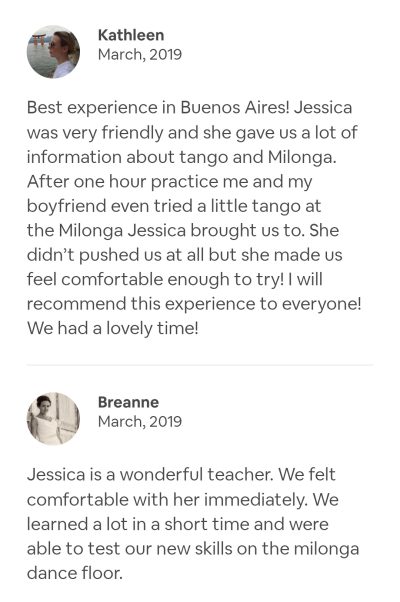
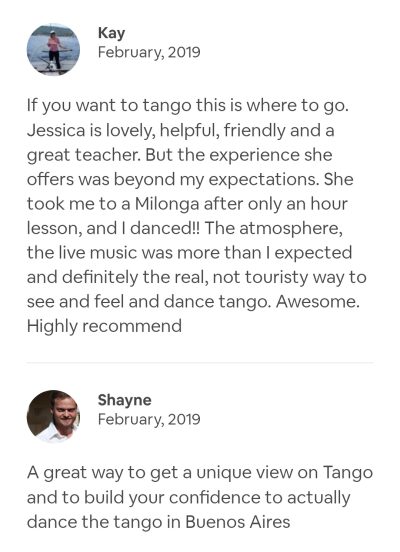
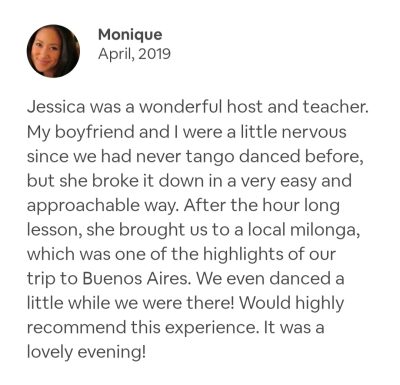
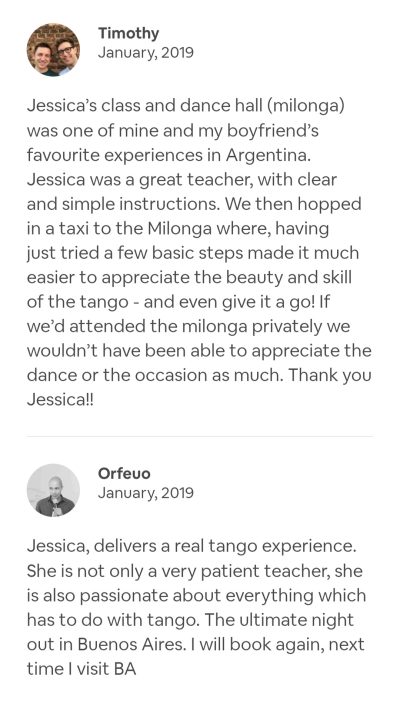
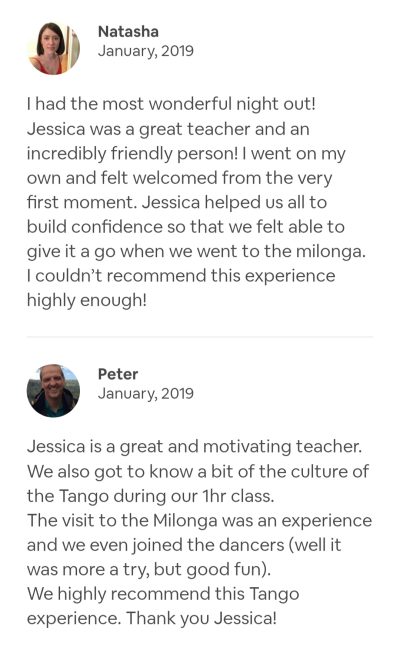
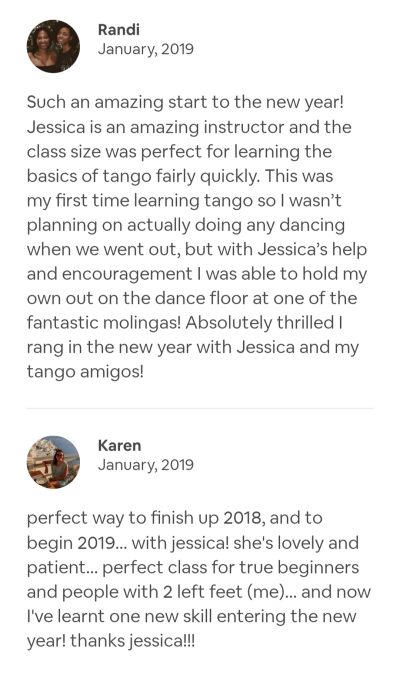
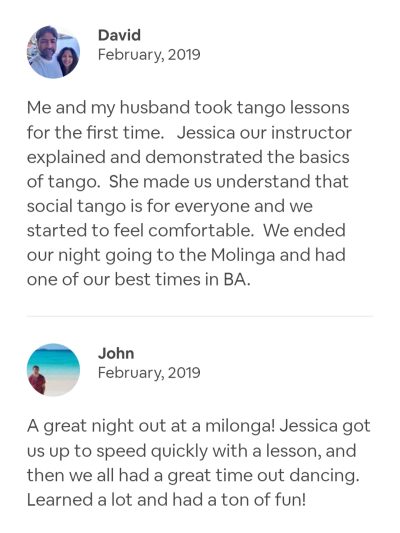
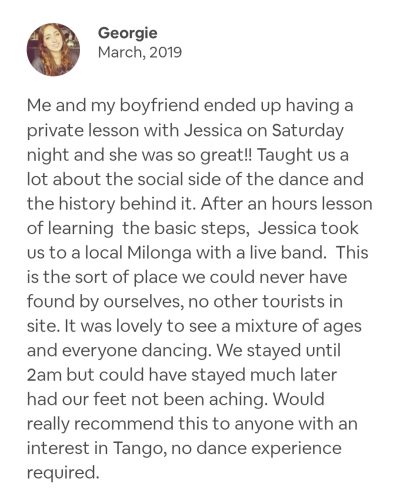
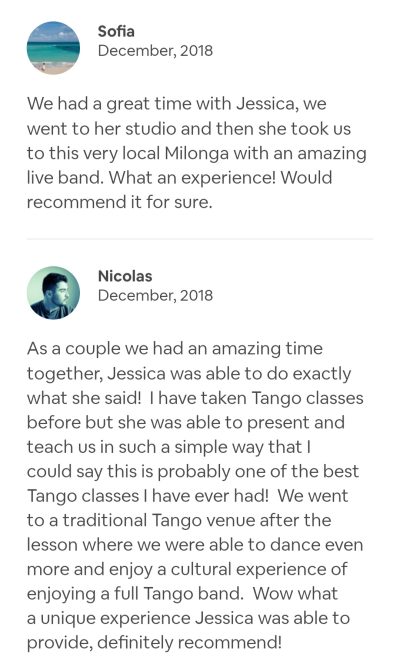
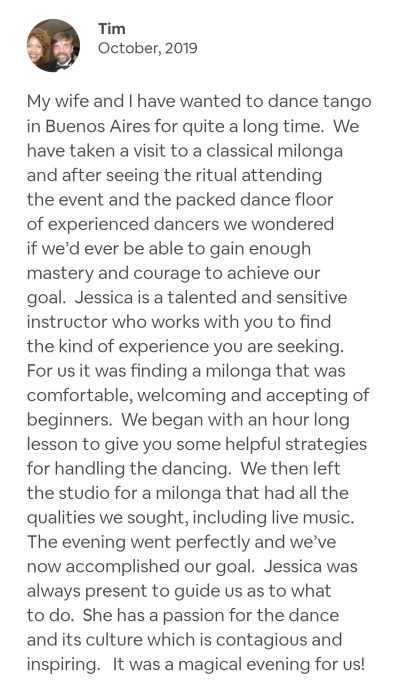
Something I can tell you is in Buenos Aires I took about a thousand travelers to their first milonga after only one class, and most of them joined the dance floor.
(Some students here in Vienna can tell the same 😉)
We were never kicked out and nobody got hurt 😄
Jokes aside, they all enjoyed:
Yes, but not blindly.
Understand them.
Use what serves connection and flow.
Let go of what becomes rigid and unnecessary or exclusionary.
Tango is not a museum piece, it’s a living culture that has been evolving since its origin –and will continue doing so, we like it or not.
A good milonga isn’t one where everyone dances perfectly.
It’s one where:
people feel safe,
the floor flows,
the music brings people together,
and something real happens between dancers.
Codes can support that. But the essence is always human.
That’s why I don’t teach the codes or anything in the dance as a checklist, and insist so much to my students and events attendants to learn the ethics of becoming a tango dancer: someone aware of their role in the community.
The Milonga isn’t just the room, the music or the organizer. Literally, each attendant co-creates it.
If you’d like to explore Tango Argentino in a way that connects technique, awareness, and social dance culture:
Join a class
Train at a Práctica
Or step into our welcoming Milonga Tres Mil and observe, feel, and try Tango!
You might realize Milongas are way more accessible (and much more interesting!) than you thought 😉
Spam free and respectful of your privacy
Certified Tango Argentino-Yoga teacher and somatic movement facilitator.
Guiding dancers toward embodied awareness, connection, and freedom on and off the dance floor.
contact@jessicagerdel.com
+43 681 10323630
